Understanding Peptide Purity Screening
The majority of peptide vendors and research study laboratories depend on numerous well-established logical techniques. All items are sold for research, research laboratory, or logical functions just, and are not for human use. Product descriptions and categorizations do not indicate any restorative end results. At Chameleon Peptides, every product ships with thorough third-party screening paperwork. You can learn more regarding our logical screening protocols on our screening and high quality page. A 2016 study published in Nature located that greater than 70% of scientists had actually tried and stopped working to recreate an additional scientist's experiments.Exactly How To Read Peptide Screening Outcomes
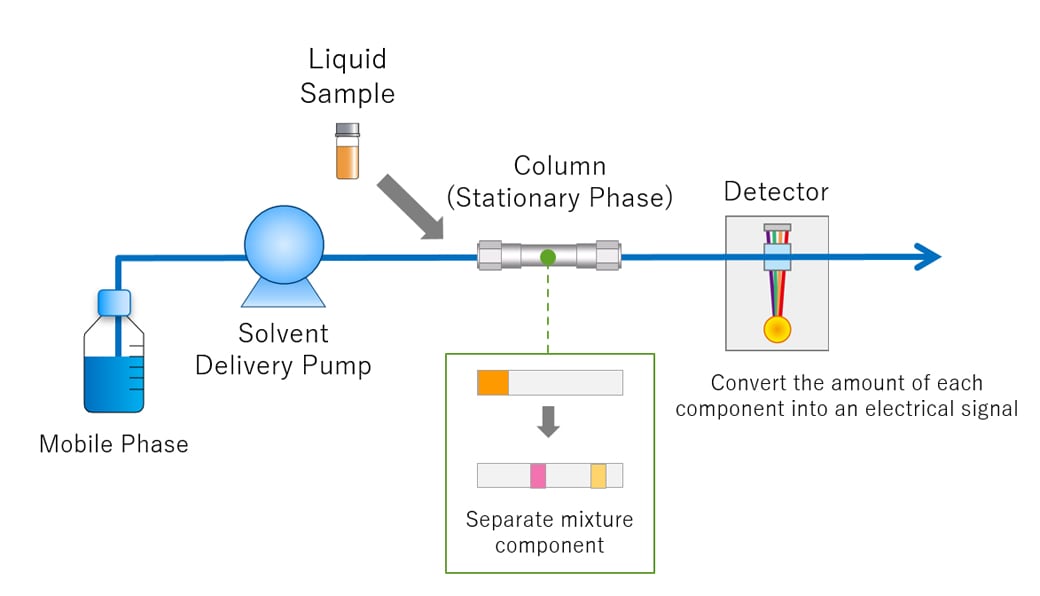
- Products are for in-vitro research laboratory research usage just and are except human consumption.If you have actually ever before acquired a synthetic peptide for a laboratory experiment, you've likely noticed a pureness percent on the certification of evaluation-- typically values like 95%, 98%, or even 99%.Ensuring that each set undertakes appropriate lab screening assists confirm the peptide's authenticity and pureness, which is crucial for both research legitimacy and safety and security.Peptides in microspheres and nanoparticles might with matrices, making it hard to separate free and encapsulated kinds.We can provide expert peptide pureness decision solutions making use of analytical reversed-phase HPLC paired with mass spectrometry.For a deeper identity-focused explanation, see Mass Spectrometry Peptide Verification.
Matching HPLC, research laboratories utilize Mass Spectrometry (often combined as LC-MS) to confirm the peptide's molecular weight and series identification. Mass spectrometry gives molecular verification by discovering the specific mass of the peptide and any type of co-eluting types or trimmed sequences with high precision. With each other, HPLC and MS data allow analysts to verify that the peptide's composition matches what it needs to be (right amino acid series and anticipated modifications) and that no substantial pollutants are present.
What Peptide Screening Can And Can Not Prove
Finally, understanding peptide purity levels and qualities helps you make informed decisions for your experiments. A peptide's pureness portion tells you just how much of that example is the actual offer versus spin-offs, with common research study qualities being around 95% approximately 98-99% for extra pureness. Analytical HPLC and MS are your pals below-- HPLC measures purity, and MS verifies identification, together ensuring you recognize what remains in your tube.In straightforward terms, a peptide detailed as 95% pure is composed mostly of the target peptide (95%), with the remaining ~ 5% comprised of impurities. These pollutants can consist of points like shortened or truncated check here series, deletion variations, oxidized deposits, or various other minor side-products from the synthesis process. Peptides are commonly made use of in the medical aesthetics, cosmetics, and biomedical fields as a result of their special organic task and wide application potential. Nevertheless, the high quality of peptide items directly affects their efficiency and safety and security, making exact quality screening solutions vital.
